
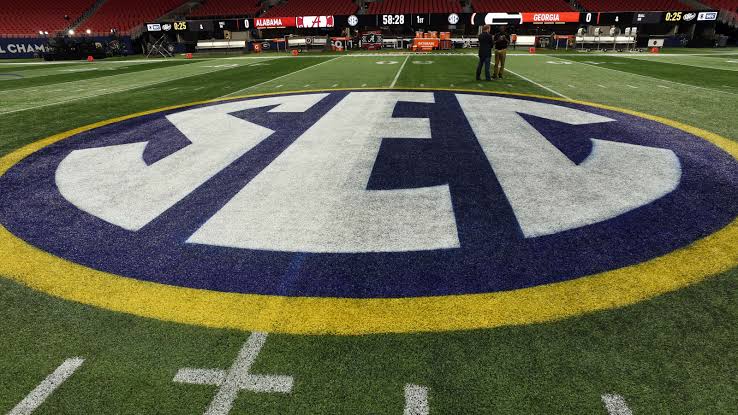
Oklahoma Sooners football’s Move from Big 12 Conference to Southeastern Conference Continues to Dominate College Football Landscape
The decision by the to leave the and join the powerhouse remains one of the most transformative developments in modern college athletics. Long after the initial announcement sent shockwaves across the nation, the ripple effects continue to shape recruiting battles, television contracts, playoff implications, and the overall structure of college football.
What began as a bold strategic move has evolved into a defining chapter in the sport’s history. Oklahoma’s transition is not merely about switching logos on a schedule graphic; it represents a cultural shift, a financial recalibration, and a competitive leap into what many consider the toughest conference in college football.
A Historic Departure from the Big 12
For decades, Oklahoma was synonymous with Big 12 dominance. The Sooners collected conference championships, produced Heisman Trophy winners, and regularly contended for national titles. From the early 2000s through the College Football Playoff era, Oklahoma stood as the Big 12’s flagship brand.
The partnership between Oklahoma and the Big 12 was deeply rooted in tradition. Rivalries with Texas, Oklahoma State, and others fueled intense regional competition. The annual Red River showdown against Texas became one of college football’s premier spectacles.
But as conference realignment discussions intensified across the country driven by media rights deals and playoff expansion the landscape shifted. The opportunity to join the SEC alongside Texas was too significant to ignore.
Why the SEC? Power, Prestige, and Playoff Positioning
The SEC has long been regarded as college football’s most competitive conference. Programs such as , , and have consistently competed for and won national championships over the past two decades.
By joining the SEC, Oklahoma positioned itself at the epicenter of national relevance. The move ensures:
- Stronger strength of schedule metrics
- Increased television exposure
- Enhanced recruiting appeal in the Southeast
- Access to larger revenue distributions
In the era of expanded College Football Playoff formats, strength of schedule and national perception matter more than ever. Competing weekly in the SEC offers Oklahoma the opportunity to prove its championship credentials on the sport’s biggest stages.
Recruiting Impact: Expanding the Pipeline
Perhaps the most significant long-term effect of Oklahoma’s move is on recruiting. The SEC footprint extends deeply into talent-rich states such as Florida, Georgia, and Louisiana. Historically, SEC programs have dominated recruiting rankings, often monopolizing top-tier prospects.
Oklahoma has already begun leveraging its SEC membership as a powerful recruiting pitch. The message is clear: play for a historic program while competing in the nation’s premier conference.
High-profile quarterbacks, defensive linemen, and skill players now view Norman not just as a Big 12 powerhouse, but as an SEC contender. The transition has reshaped how recruits perceive Oklahoma’s brand.
The Competitive Challenge Ahead
While the benefits are substantial, the path forward is far from easy. The SEC presents a weekly gauntlet unmatched in college football.
In the Big 12, Oklahoma frequently entered games as a heavy favorite. In the SEC, there are no guaranteed wins. Matchups against Alabama, Georgia, LSU, Tennessee, and others demand physicality, depth, and resilience.
The Sooners must adjust to:
- More physical line-of-scrimmage play
- Deeper defensive rotations
- Elite quarterback play across the conference
- Hostile road environments
The margin for error shrinks dramatically in the SEC. A single loss can dramatically alter championship hopes. For Oklahoma, consistency will be the ultimate test.
Financial Implications and Media Influence
The financial motivations behind conference realignment cannot be overstated. SEC media rights deals have redefined revenue expectations in college athletics. By joining the SEC, Oklahoma gains access to a significantly larger revenue pool than it enjoyed in the Big 12.
This influx of funding affects:
- Facilities upgrades
- NIL opportunities for players
- Coaching salaries
- Recruiting infrastructure
In a sport increasingly influenced by Name, Image, and Likeness dynamics, financial strength equates to competitive advantage. Oklahoma’s SEC membership ensures it remains financially aligned with the sport’s elite programs.
The Texas Factor: A Rivalry Reimagined
Oklahoma did not make the move alone. Its longtime rival, , joined the SEC simultaneously. The Red River Rivalry now carries even greater stakes, often influencing conference championship races rather than just regional bragging rights.
The relocation adds new layers to an already iconic rivalry. Instead of battling for Big 12 supremacy, Oklahoma and Texas now clash within a broader national spotlight.
National Reaction and Broader Realignment
Oklahoma’s departure accelerated a domino effect across college football. Conferences nationwide scrambled to strengthen membership and secure media stability. The Big 12 responded by adding new programs, ensuring its survival, but the power balance had clearly shifted.
The move underscored a new era in college sports one where geography takes a backseat to television markets and competitive leverage.
Cultural Identity and Program Legacy
For Oklahoma fans, the transition is both exhilarating and bittersweet. The Big 12 era delivered unforgettable moments, Heisman winners, and championship runs. Yet, the SEC represents a proving ground a chance to validate Oklahoma’s historic legacy against the sport’s fiercest competition.
The Sooners are not entering the SEC as newcomers without pedigree. With multiple national championships and decades of excellence, Oklahoma carries immense tradition into its new home.
The question is not whether Oklahoma belongs but how quickly it can thrive.
Looking Ahead: A Defining Decade
As the college football landscape continues to evolve, Oklahoma’s move to the SEC will be remembered as a turning point. Success in this new chapter could elevate the program to even greater heights. Struggles, however, will invite scrutiny and second-guessing.
One thing remains certain: Oklahoma’s transition has reshaped the conversation around conference realignment, competitive balance, and the future of the sport.
The Sooners are no longer just a Big 12 powerhouse they are now central figures in the SEC’s ongoing dominance. And as seasons unfold, the impact of this decision will continue to reverberate throughout college football.
In the modern era of super-conferences and expanded playoffs, Oklahoma has chosen ambition over comfort. The college football world is watching and the stakes have never been higher.









Leave a Reply