
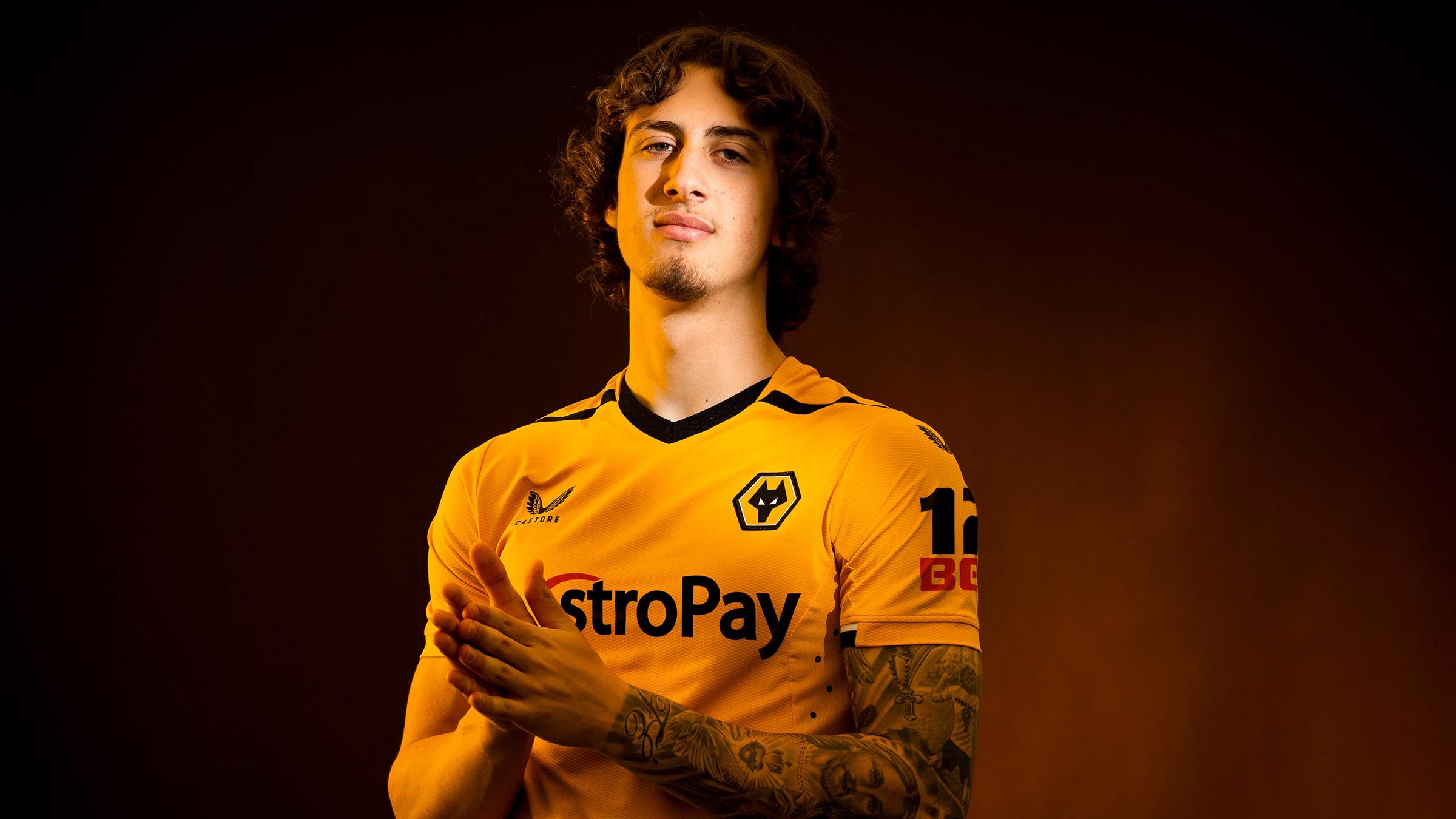
When Wolves sold Fábio Silva to Borussia Dortmund in the summer the deal did more than move a young striker from Molineux to the Bundesliga it potentially set up a future payday for his former club. Recent reports that Silva could be on the move from Dortmund again with clubs such as Real Betis and even interest from Serie A and AC Milan linked have reopened the possibility that Wolves might pocket part of any future sale thanks to a sell-on clause inserted into the original transfer. Below we unpack what that clause likely means, how Silva’s time at Dortmund has unfolded, the realistic scenarios for a January (or summer) exit, and what a windfall would mean for Wolves financially and strategically.
1) The basics: what Wolves agreed with Dortmund
Multiple outlets report that Wolves included a sell-on clause when they agreed Silva’s transfer to Dortmund in August. The exact percentage has not been publicly disclosed, but the clause is described as being tied to the profit Dortmund would make on any future sale i.e., Wolves would receive a share of the profit if the German club sells Silva for more than they paid. That kind of structure is common in modern transfers: it lets the selling club (Wolves) benefit if the player’s value rises after the move while giving the buying club (Dortmund) a lower up front cost or a cleaner way to manage risk.
To put that into plain numbers using a hypothetical: Reuters reported Dortmund’s fee to Wolves at roughly €22.5m (reported widely at about €22.5m–€26.5m depending on add-ons). If Dortmund later sold Silva for, say, €35m, Wolves would be due a percentage of the difference (the profit), not a percentage of the full €35m so the clause could convert a moderate premium into meaningful cash for Wolves.
2) How Silva’s Dortmund spell looks so far why an exit is being talked about
Silva’s move to Dortmund was framed as a chance for him to reboot his career after several loans and spells trying to find consistent game time. However, the 23-year-old has so far struggled to cement minutes in a competitive BVB front line. Reports across the transfer press and outlets such as Goal, Sky and others suggest Silva has found first-team opportunities limited under the current setup and has been exploring options for a January move likely a loan with a purchase option to regain rhythm and increase his prospects for international selection.
Several outlets in the last few days have specifically linked Real Betis with advanced loan talks for Silva, with suggestions Dortmund would be open to a move that included an option to buy. Other clubs have been mentioned too Italian sides and even AC Milan have been reported to have enquired but as with many transfer stories, the specifics are fluid. If Dortmund do sanction a loan that becomes permanent, or sell Silva outright in January or next summer, the sell-on clause becomes operational for Wolves.
3) Financial math: how big might a windfall be for Wolves?
Because the sell-on is reportedly linked to profit rather than a straight percentage of the future fee, winners and losers depend on the eventual sale price and how much Dortmund actually paid when all add-ons are included.
Known baseline: Reuters and other reputable outlets reported the basic fee at around €22.5m plus potential add-ons. If Dortmund paid €22.5m and later sells Silva for €35m, the profit is €12.5m. If Wolves have (for example) a 20% sell-on on profit, that would net them €2.5m. If the percentage were higher say 30–40% (some sell-on clauses vary widely) the return could be meaningfully larger.
But: if Dortmund sell Silva for roughly what they paid (or less), there’d be little or no sell-on payment. Similarly, loan deals with an obligation to buy could trigger the clause at the moment the permanent transfer is exercised which is why loan-to-buy deals matter to Wolves’ accountants. In short: it’s realistic to expect a modest windfall rather than a transformational payday unless Silva’s value markedly increases. The clause gives Wolves upside if Silva’s stock rises, while protecting Dortmund from a bigger up front price.
4) Sporting context: why both Dortmund and Silva might want a move
From Dortmund’s perspective, Silva is a young striker with potential but limited immediate impact: the club has competition for forward spots and a mandate to perform in domestic and European competitions. If Silva cannot secure minutes, Dortmund face a choice: keep him to develop, loan him to regain form, or sell while they can still recoup profit. For Silva, regular minutes are essential both for career momentum and for international ambitions (the 2026 World Cup cycle isn’t far off) so a loan to La Liga or Serie A where he could play week-in, week-out has obvious appeal.
Real Betis (or another La Liga side) presents a logical fit: Silva previously had a successful spell on loan in Spain (Las Palmas) where he rediscovered goalscoring form. Returning to Spain could be the quickest way to rebuild market value and therefore the most likely route to a permanent move that triggers Wolves’ sell-on.
5) What this means for Wolves: short-term and long-term
Short-term, any sell-on payment is “found money”: it can be used to plug gaps in the transfer budget, invest in the academy, or be set aside as part of sensible financial planning. For Wolves, a few million euros could help fund a low-risk signing or contribute to wages for a depth player. Long-term, including sell-on clauses in deals is a reflection of a modern transfer strategy turn initial departures into continuing revenue streams that protect clubs when they develop young talent who later blossom elsewhere.
Wolves actually have a recent history of dealing with add-ons and sell-on clauses intelligently; in Silva’s case, they’ve secured a stake in any future upside even after a relatively modest fee on the first move. That’s prudent business for a club that balances Premier League ambition with budget reality.
6) Possible scenarios and likelihoods
Below are realistic routes this story could take, with a quick assessment of probability and impact for Wolves.
A January loan with option to buy (most likely, medium impact).
Dortmund loans Silva to Betis or another La Liga club with an option to buy next summer. If the option is exercised and the fee tops what Dortmund paid, Wolves get a sell-on cut of the profit. Probability: high. Impact: moderate (a few million euros is possible).
B Permanent sale in January (less likely, higher impact).
If a club comes in with a firm offer that meets Dortmund’s valuation, Silva could be sold permanently in January. That would trigger a sell-on payment immediately. Probability: medium-low. Impact: higher depending on fee.
C Silva stays, fights for place (possible, low immediate impact).
Silva stays at Dortmund, regains form and either becomes a long-term BVB player (no immediate windfall for Wolves) or moves on later for a larger fee (potentially higher windfall). Probability: medium. Impact: uncertain.
D Fee falls or sale at a loss (possible, zero impact).
If Silva’s valuation stalls or Dortmund accept a low fee, the sell-on either doesn’t trigger or pays little. Probability: medium. Impact: low to zero.
7) The human side: player development, pressure and opportunity
It’s easy to reduce transfers to numbers, but for Silva (and any young player) there’s a personal narrative: constant moves, loans, and shifting expectations can make it hard to build confidence. The move to Dortmund was a clear vote of belief in his talent; if it doesn’t translate into minutes, a loan can provide a reset. For Wolves staff and fans who watched his early promise, seeing even a small financial return on a transfer can feel validating but most want the player to succeed, not merely to be an asset on a spreadsheet.
From a club identity perspective, sell-on clauses are a subtle way to keep former players’ futures connected to the club’s well-being. They’re a recognition that development and later sales are shared outcomes between clubs and players.
8) What to watch next (real time)
If you want to track whether Wolves might actually receive money, these are the key signals:
1. Official announcements from Borussia Dortmund about a loan or sale. An announcement of a permanent sale immediately makes sell-on payments relevant.
2. Reports about deal structure if a loan includes an obligation to buy (rather than a simple optional purchase clause), that’s more likely to produce a triggered permanent transfer and therefore a payment. Recent stories suggest Betis talks include a purchase option.
3. Transfer fee numbers in reputable outlets (Reuters, The Athletic, etc.). The higher the fee above Dortmund’s purchase price, the larger the potential Wolves windfall.
9) Bottom line
Wolves’ decision to include a sell-on clause when selling Fábio Silva to Dortmund was a canny piece of business: it preserves upside for the club should Silva flourish or be moved on for a profit. Silva’s early exit from Dortmund is being actively discussed with clubs like Real Betis in reported talks for a loan with a purchase option and if a permanent sale happens at a price above what Dortmund paid, Wolves will pick up a slice of the profit. Realistically, that slice is unlikely to be enormous but could still be a useful injection of funds and a tidy example of how modern transfer clauses let clubs reap rewards long after a first sale.



Leave a Reply