
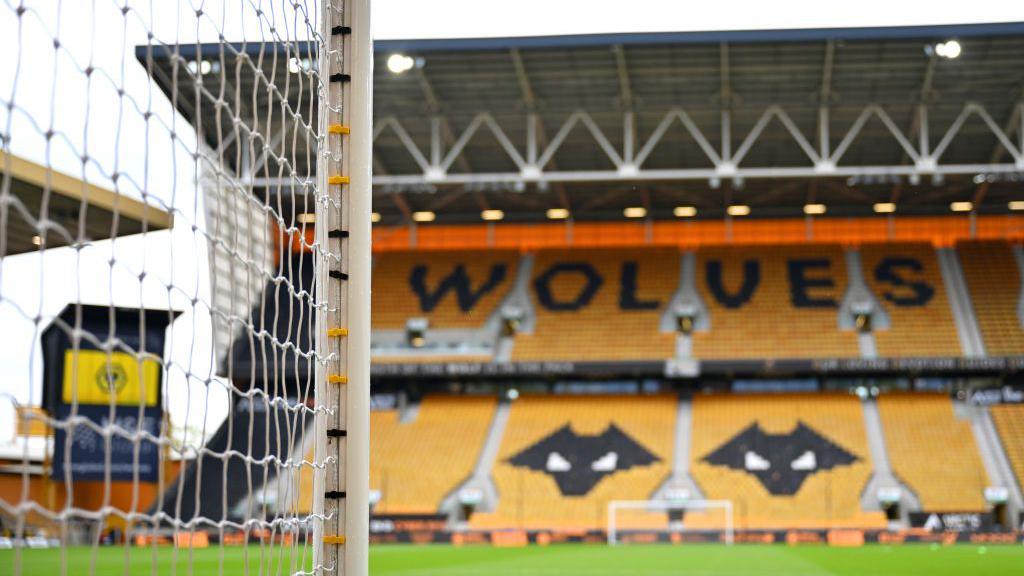
Wolves’ £35m Flop Who Cost Club £7m Per Goal Set for Yet Another Move Just Months After Sealing Molineux Departure
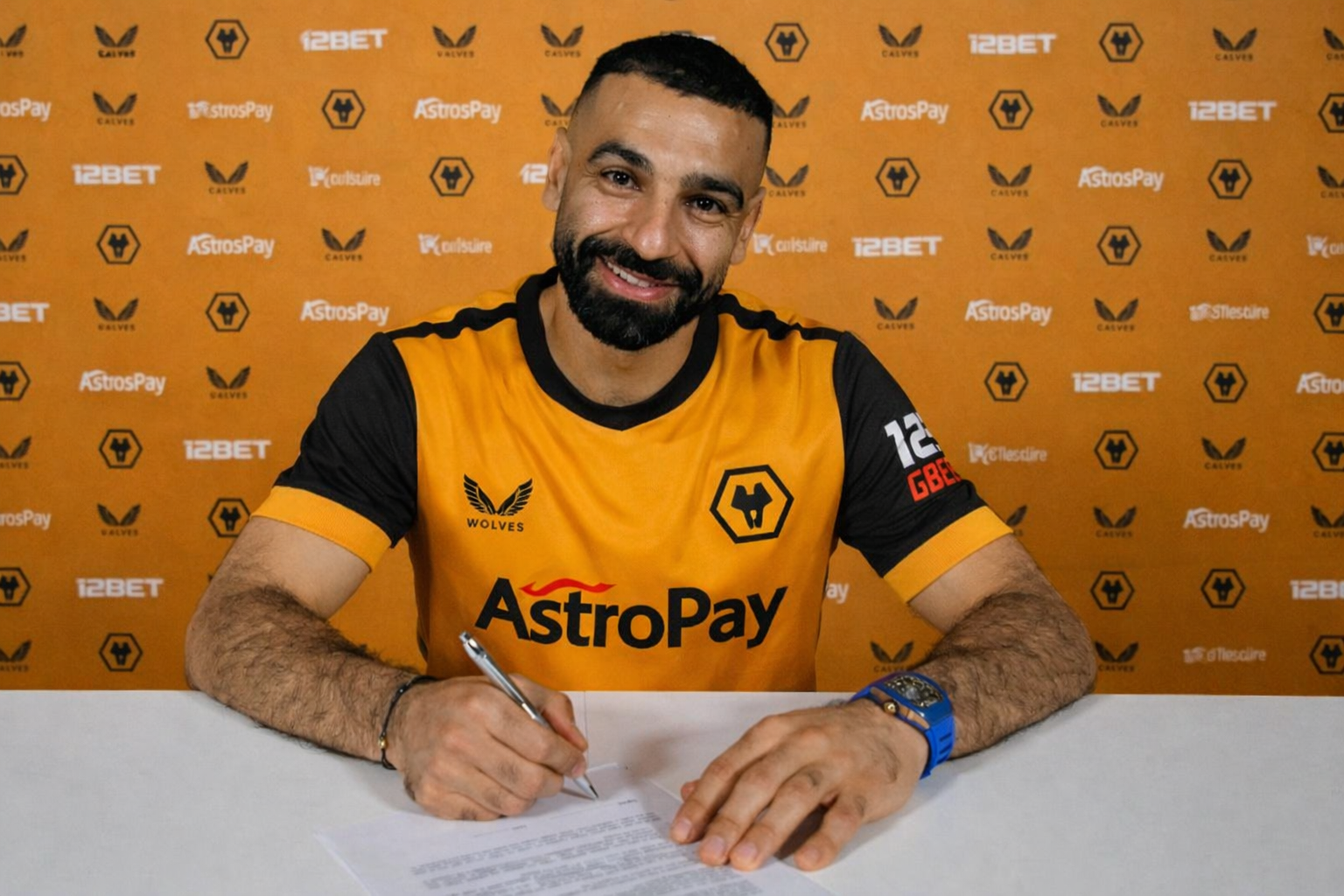
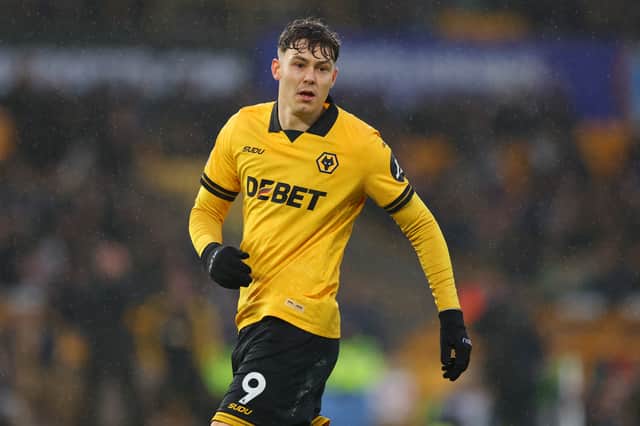
Wolverhampton Wanderers’ modern transfer history has included its fair share of successes, but it has also been marked by costly gambles that failed to pay off. Few signings, however, symbolize that struggle more starkly than the club’s £35 million attacking acquisition who now appears destined for yet another move, just months after officially departing Molineux.
Wolves’ £35m Flop Who Cost Club
Once heralded as a marquee arrival capable of transforming Wolves’ attack, the forward instead became an unfortunate symbol of inflated expectations, limited output, and financial inefficiency a player who ultimately cost the club around £7 million per goal during his time in the West Midlands.
Now, with his post-Wolves career already hitting turbulence, a fresh transfer looks increasingly inevitable.
The Arrival That Promised Everything
When Wolves completed the £35m deal, optimism was high. The club believed they had secured a forward entering his prime, a player with international pedigree and the technical ability to thrive in the Premier League.
Supporters were told this was a statement signing one that would elevate Wolves from mid-table stability to genuine European contention. The player’s reputation suggested goals, creativity, and leadership in the final third.
But football, as Wolves would soon learn, does not always reward ambition.
A Struggle to Adapt at Molineux
From the moment he pulled on the Old Gold shirt, things never truly clicked. Injuries, tactical mismatches, and confidence issues combined to derail what was supposed to be a defining chapter in both player and club history.
Despite being deployed across multiple attacking roles, the forward struggled to impose himself. Chances went begging, movement lacked sharpness, and the connection with teammates never fully developed.
Over his Wolves career, he managed just a handful of goals, a return that became increasingly painful as the financial realities of the deal became clearer. When calculated against his transfer fee alone, the cost per goal reportedly ballooned to around £7 million, making it one of the least efficient signings in the club’s Premier League era.
Fan Frustration and Mounting Pressure
As months turned into seasons, patience wore thin. While Wolves supporters are known for their loyalty, frustration grew with every missed opportunity and every anonymous performance.
The forward was often caught in the crossfire of criticism aimed at Wolves’ recruitment strategy, with many fans questioning how such a large sum had been sanctioned without clearer evidence of Premier League suitability.
To his credit, the player continued to work professionally, but the burden of expectation seemed to weigh heavily. Confidence visibly drained, and his role in the squad diminished as managers came and went.
The Inevitable Exit from Wolves
Eventually, the writing was on the wall. Wolves needed to rebalance their wage structure, refresh their squad, and move on from expensive mistakes.
His departure from Molineux was framed as a fresh start for both parties. Whether through a permanent transfer or a loan arrangement, Wolves accepted that recouping anything close to the original £35m outlay was impossible.
For the player, it was an opportunity to reset his career, rediscover form, and silence critics who had labeled him a Premier League flop.
A Short-Lived Fresh Start
However, that reset has proven more difficult than expected.
Just months after leaving Wolves, reports suggest the forward is already set for another move, with his current club unconvinced that he can play a long-term role in their plans. Limited minutes, inconsistent performances, and tactical incompatibility have once again hampered his ability to make a lasting impact.
While the talent is still there, questions remain about confidence, consistency, and suitability at the highest level.
Financial Reality and Market Perception
Perhaps the most damaging aspect of his Wolves spell is how it reshaped his market value. Once seen as a £35m asset, he now commands only a fraction of that figure.
Clubs interested in signing him are reportedly seeking low-risk deals short-term contracts, loan options, or heavily reduced fees highlighting how dramatically his stock has fallen.
For Wolves, the saga serves as a cautionary tale. Modern football’s inflated market can punish clubs harshly when big-money signings fail to deliver, especially when resale value collapses.
Lessons for Wolves Going Forward
In recent windows, Wolves have appeared more cautious, focusing on younger talents, structured deals, and players with clearer resale potential. The £35m flop remains a reference point internally a reminder of the importance of recruitment precision.
The club’s hierarchy understands that one misjudged transfer can have ripple effects across multiple seasons, impacting squad depth, wage budgets, and long-term planning.
What’s Next for the Player?
For the forward himself, another move may represent the final opportunity to revive a career that once promised so much. At the right club with the right system, reduced pressure, and consistent minutes there is still hope that he can contribute meaningfully.
Wolves’ £35m Flop Who Cost Club
But time is no longer on his side. Football moves fast, and reputations are hard to rebuild once the “flop” label sticks.
A Transfer That Will Be Remembered
As Wolves continue their evolution under new leadership and direction, this £35m gamble will remain one of the most talked-about transfers in the club’s recent history.
A player signed to deliver goals and glory instead leaves behind a cautionary statistic £7m per goal and a legacy defined more by what might have been than what actually was.
With another move looming just months after his Molineux exit, the story serves as a stark reminder of football’s unforgiving nature where promise means nothing without performance, and where even the biggest names can struggle to find their place.







Leave a Reply