
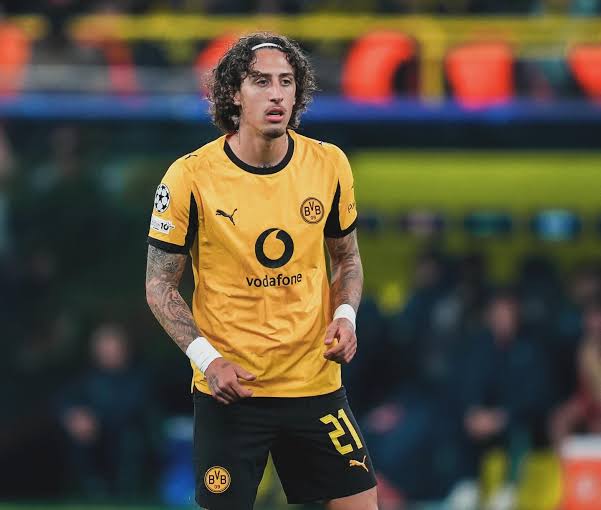
The transfer market never sleeps, and once again find themselves at the centre of speculation this time involving a player many supporters once hoped would become a cornerstone of their project.
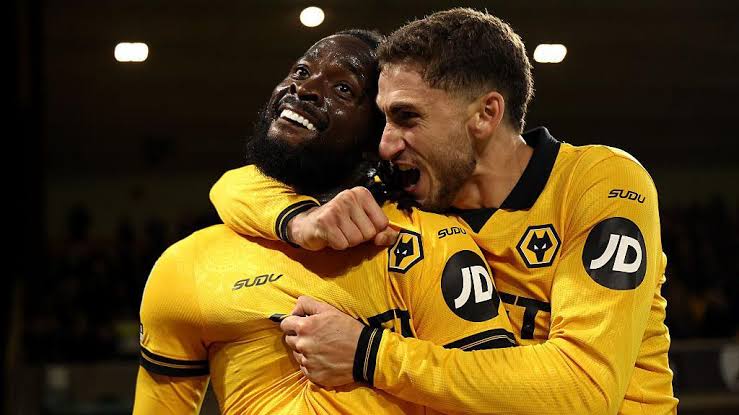
Just months after being sold for £23 million in the summer window, the former Wolves signing widely regarded as a flop during his time at Molineux is now being linked with a second move in less than a year. Intriguingly, reports suggest he could be targeted as a replacement for a reigning World Cup winner, adding a fascinating twist to a career that has already taken several dramatic turns.
From Promise to Disappointment at Molineux
When Wolves initially brought the player to the club, expectations were high. The Midlands side, competing in the fiercely demanding , had invested heavily in reshaping their squad with dynamic, technically gifted footballers capable of elevating them back into the top half of the table.
On paper, the signing made sense. He arrived with pedigree, flashes of brilliance from previous clubs, and a reputation for flair and creativity. However, football is rarely decided on paper.
Inconsistent performances, tactical mismatches, and a struggle to adapt to the relentless pace of English football quickly saw optimism fade. Injuries compounded the problem, limiting rhythm and momentum. Instead of becoming the attacking catalyst Wolves envisioned, he became a peripheral figure — often starting on the bench and struggling to impose himself when given opportunities.
By the end of his spell, the label “flop” had unfairly — but perhaps inevitably — attached itself to his name.
The £23 Million Exit
The summer transfer window offered Wolves a chance to reset. With financial considerations and squad balance in mind, the club accepted a £23 million offer, effectively cutting their losses while recouping a significant portion of their investment.
From Wolves’ perspective, the deal made strategic sense. It freed up wages, opened space for new signings, and allowed head coach and recruitment staff to pursue profiles better suited to their evolving tactical identity.
For the player, it represented something else entirely: redemption.
A Fresh Start — and a Fresh Opportunity
Since his departure, there have been signs that the move away from Molineux may have revitalised his confidence. In a new environment — with different tactical demands and less immediate pressure — he has begun to show flashes of the ability that once made him so highly sought after.
Now, in a remarkable turn of events, he is reportedly being considered by a European club seeking to replace a midfielder who lifted the trophy at the .
That World Cup winner — a key figure for the — is understood to be attracting major interest from Europe’s elite, prompting his current club to prepare contingency plans.
Among the names on their shortlist? The very player Wolves allowed to leave just months ago.
Replacing a World Champion
The scale of that potential move cannot be overstated.
World Cup winners carry immense prestige. Their composure under pressure, tactical intelligence, and big-game experience make them invaluable assets. Replacing such a figure is no small task.
One prominent example of a 2022 World Cup hero is , whose performances in Qatar elevated his global reputation and solidified his status as one of Europe’s most reliable midfielders. While transfer dynamics differ from case to case, the principle remains: replacing a player of that calibre demands both quality and potential.
For Wolves’ former man to even be considered as a successor to such stature speaks volumes about how football narratives can change.
A Case of System Over Skill?
Many analysts believe his struggles at Wolves were less about ability and more about context.
The Premier League’s intensity can expose weaknesses quickly. Tactical systems must align with a player’s strengths. Confidence, rhythm, and positional clarity are essential.
At Wolves, managerial changes and shifting tactical approaches may have prevented him from finding consistency. In contrast, his new club reportedly deploys a system that emphasises ball retention, controlled build-up, and positional fluidity — traits that suit his technical strengths.
If that alignment continues, the narrative could shift from “Wolves flop” to “misunderstood talent.”
What This Means for Wolves
For Wolves supporters, this situation may provoke mixed emotions.
On one hand, the club made a pragmatic decision. The £23 million sale helped stabilise finances and allowed reinvestment into more immediate needs. Squad evolution sometimes requires difficult calls.
On the other hand, watching a former player thrive elsewhere — especially if he becomes the successor to a World Cup winner — may spark inevitable questions about whether patience would have paid off.
Such reflections are part of modern football. Recruitment is rarely perfect. Timing, adaptation, and opportunity often determine outcomes as much as raw talent.
The Bigger Picture: Football’s Rapid Cycles
This developing story highlights how quickly football reputations evolve.
A player can move from high-profile signing to perceived disappointment within a single season. Equally, a change of scenery can revive a career almost overnight.
Transfer speculation linking him with a second move in under a year underscores both the volatility and opportunity embedded within today’s market. Clubs are constantly scanning for undervalued assets — players whose previous environments masked their true ceiling.
The Road Ahead
Whether the move materialises remains to be seen. Negotiations, financial considerations, and competition from rival clubs will all shape the final outcome.
But one thing is certain: the player’s journey is far from over.
From high expectations at Wolverhampton Wanderers to a £23 million summer exit — and now potential interest from a club preparing to replace a World Cup champion — his career arc illustrates the unpredictable rhythm of elite football.
For Wolves, it may serve as a reminder of how delicate the balance is between patience and pragmatism. For the player, it represents something far more personal: proof that one chapter, no matter how disappointing, does not define the entire story.
And in the ever-turning carousel of the transfer market, redemption is never more than one opportunity away.






Leave a Reply