
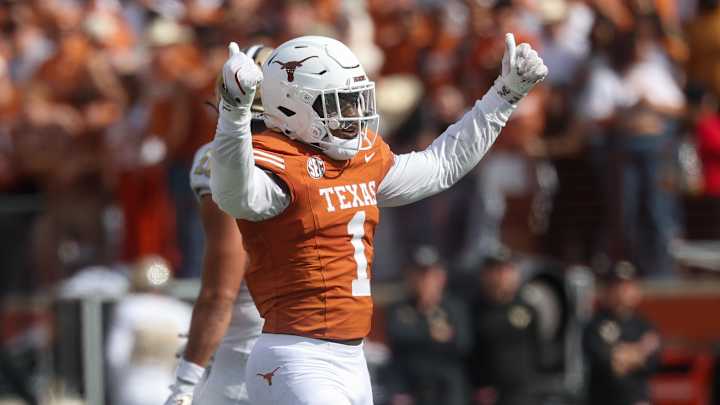
Texas Defender’s Exclusion From On3’s All-America Team Is a Fireable Offense
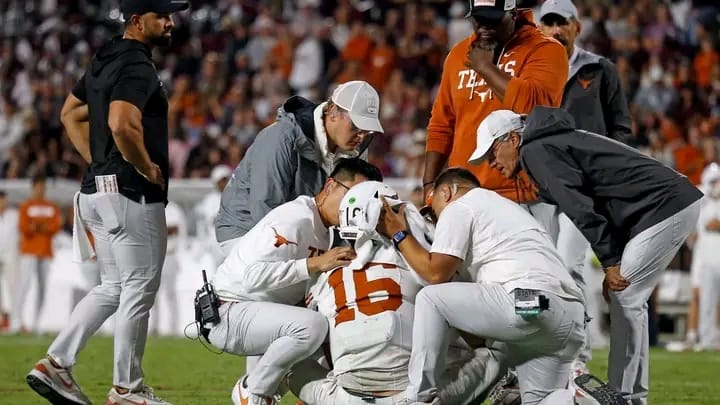
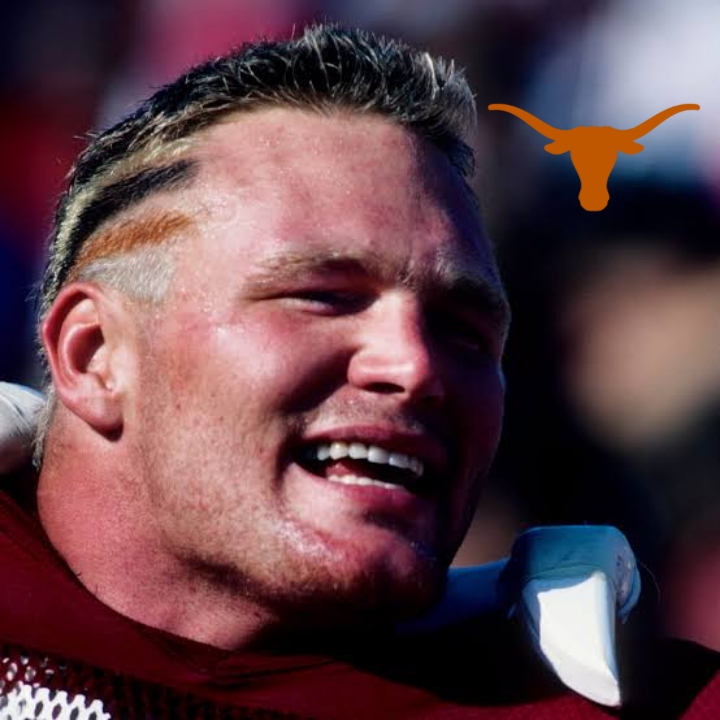
In the world of college football, end-of-season awards spark debates every year, but few decisions have generated as much disbelief and outrage as On3’s omission of Texas’ star defender from its 2024 All-America team. The snub has not only stunned Texas fans and analysts but has opened a broader conversation about credibility, evaluation standards, and potential bias in national awards.
Texas Defender’s Exclusion From On3’s
To put it plainly: leaving this defender off the list is an evaluative failure so glaring it should be considered a fireable offense for anyone responsible for these selections. And here’s why.
A Season That Redefined Dominance
Texas’ defensive unit entered the season with high expectations, but this specific defender didn’t simply meet the standard—he obliterated it. Week after week, he emerged as the heartbeat of the Longhorns defense, putting up production that was not only consistent but nation-leading.
Key performance indicators show:
- Elite run-stopping ability, ranking among the top defenders nationwide in run-stop percentage.
- Disruptive pass-rush efficiency, consistently generating pressures even while facing double teams.
- Sideline-to-sideline range, making plays that defensive coaches dream about and opposing offensive coordinators fear.
- Leadership and accountability, becoming the emotional engine of the defense.
When voters are evaluating All-America teams, these are supposed to be the baseline attributes they consider. In this case, they were ignored.
Numbers Do Not Lie But Voters Apparently Do
If college football is a results-driven sport, then On3’s selections should reflect results. Instead, the absence of Texas’ star defender indicates that the selection committee either didn’t look at the numbers, didn’t understand them, or didn’t want to.
Take a quick comparison between his season and those who did make the list:
Against other players at his position:
- More tackles for loss
- Higher impact-play percentage
- Fewer missed tackles
- Better performance in key, late-game situations
- Higher PFF defensive grade
Despite all of that, he was passed over.
This is not a small oversight this is the equivalent of ignoring the most important chapter of a book and claiming you understood the story.
Game Tape Tells an Even Clearer Story
Statistics can tell part of the truth, but film never lies. Any analyst who studies tape—even casually—sees a defender who pops on screen every snap. He is the kind of player who forces offenses to rewrite entire game plans. Texas’ defensive success is built on a foundation he poured with his own hands.
What makes the snub even more shocking is that analysts across the country consistently praised his:
- Football IQ
- Technical discipline
- Explosive burst
- Ability to close on the ball
- Versatility (playing multiple roles within the defensive scheme)
It’s rare for a defender to be both an elite disruptor and a reliable anchor but this player was exactly that.
Texas Defender’s Exclusion From On3’s
Impact on Texas Football and the Broader College Football Landscape
Texas didn’t clinch major defensive milestones this season by accident. They did it because their defense had a legitimate superstar. His presence elevated teammates, stabilized drives, and turned potential touchdowns into punts.
His exclusion also sends a dangerous message across the sport:
- Production doesn’t matter.
- Consistency doesn’t matter.
- Team impact doesn’t matter.
- Film doesn’t matter.
If all of this can be ignored in favor of flashier names or preseason hype, then what exactly is the purpose of All-America teams?
The ‘Fireable Offense’ Argument: Why It’s Justified
Calling something a “fireable offense” in sports media is strong language, but here, it’s warranted. Awards panels exist to uphold fairness, accuracy, and credibility. When they fail at all three, responsibility must be taken.
Here’s why:
1. Gross Negligence in Evaluation
This wasn’t a borderline case. The defender should’ve been a lock. Leaving him out isn’t an oversight it’s negligence.
2. Damage to Institutional Credibility
On3’s reputation relies on trust. Fans trust that analysis is grounded in reality. Coaches trust that recognition goes to the deserving. This decision undermines both.
3. Clear Misalignment With National Consensus
Other national outlets have praised or recognized this player, further highlighting how out-of-step On3’s decision was.
4. Impact on Player Legacy and Future Opportunities
Awards matter not just for pride, but for draft stock and national recognition. An unjust snub can negatively shape perceptions.
In any professional environment, such a major, avoidable error would carry consequences. Sports media should not be exempt.
Texas Fans Have Every Right To Be Outraged
Longhorns supporters are not overreacting—they’re holding analysts accountable. Fans saw every snap, watched every impact play, and know excellence when they see it.
The outrage stems from:
- Injustice to the player
- Disrespect toward the Texas program
- A pattern of inconsistent national recognition
Texas has fought hard to earn respect nationally. Snubs like this feel like a slap in the face.
Where Do We Go From Here?
This situation should spark change—real change.
For On3:
- Reevaluate how All-America lists are created.
- Increase transparency in the selection process.
- Hold decision-makers accountable.
- Correct the mistake publicly (if they want to preserve credibility).
For Texas:
- Use this as bulletin-board material.
- Continue pushing their defensive stars into the national spotlight.
- Make sure the player receives the recognition he deserves through other outlets.
For Fans:
- Keep applying pressure.
- Don’t let evaluators forget the importance of integrity.
Conclusion
The exclusion of Texas’ star defender from On3’s All-America team isn’t just a snub it’s a failure of evaluation, accountability, and fairness. With a season that checked every statistical, analytical, and on-field box, he deserved to be recognized among the best in the nation.
On3’s omission is more than a mistake. It damages credibility, misleads the public, and disrespects one of the most dominant defenders in college football.



Leave a Reply